How Often Should a Beginner Do Yoga?
Find the right yoga frequency as a beginner. Learn how many sessions per week to start with, whether daily practice is safe, and how to build consistency.
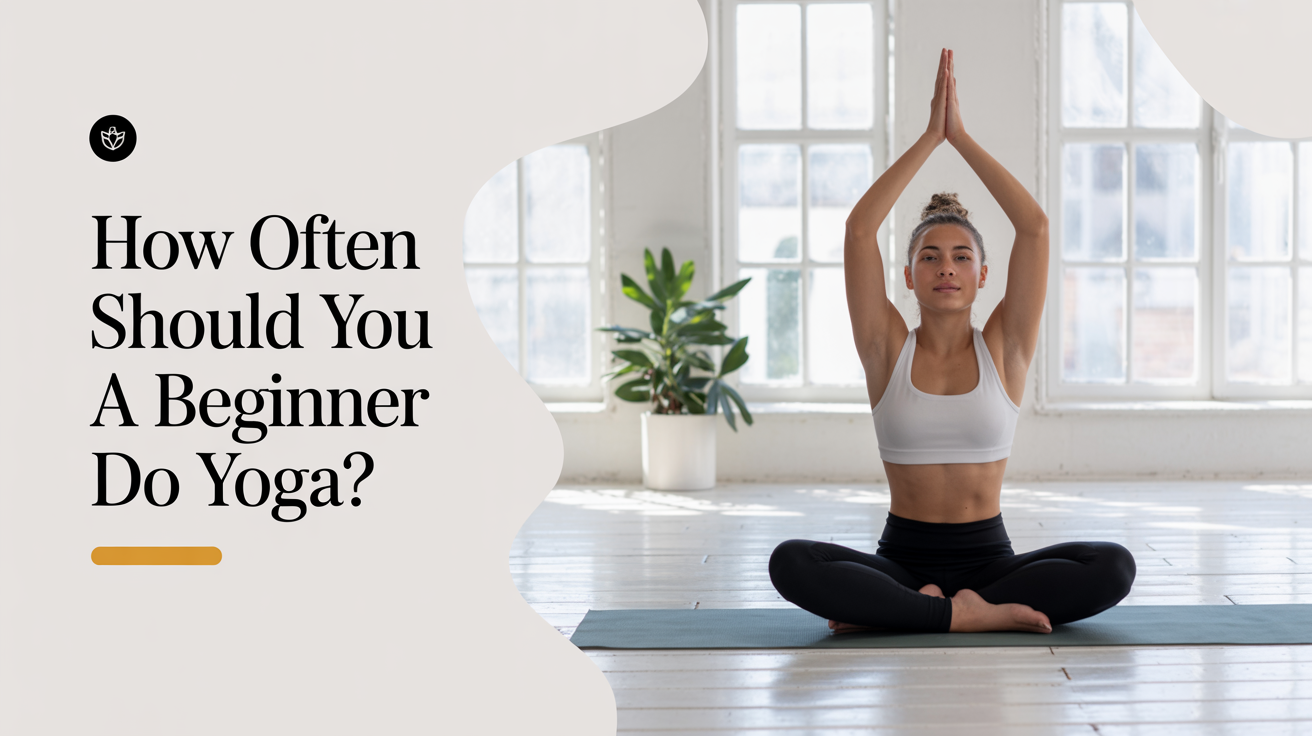
Two or three sessions a week is where most beginners do best. That's enough to feel progress without pushing your body before it's ready. Daily practice is possible later, but it's not where you need to start.
If you're brand new to yoga, if you have an injury, or if you're pregnant, talk with your doctor before beginning. Yoga is generally gentle, but your body's specific circumstances matter.
Why Two to Three Times a Week Works So Well for Beginners
When you're new to yoga, your nervous system and connective tissue need time to adjust between sessions. Muscles are adapting, joints are learning new ranges, and your brain is building motor patterns for poses you've never done before.
Practicing two or three times a week gives you:
- Enough repetition to remember what you learned
- Recovery time so soreness doesn't compound
- A sustainable schedule most people can actually keep
One session a week can feel like starting from scratch each time. Four or more sessions in the first weeks can lead to overuse soreness, especially in wrists and hips, which are common pressure points in beginner classes.
Start with two sessions. Add a third when two feels comfortable and you're not finishing each class sore or tired.
Is Daily Yoga Safe for Beginners?
Short answer: gentle daily movement can be fine, but intense daily practice is not the right approach early on.
The difference is in what "daily yoga" means. A 10-minute morning stretch or a gentle breathing practice every day puts very little strain on the body and can help you build a habit. A 60-minute vigorous flow every day for your first month, though, is asking a lot of joints and muscles that are still adapting.
If you want to practice every day, try alternating:
- Active sessions (flow, standing poses, sun salutations) two or three times a week
- Gentle sessions (restorative poses, breathing practice, a short seated stretch) on the other days
This keeps you connected to your practice without overloading recovering tissue. Listen to your body. If you wake up stiff or sore, take a rest day or do something truly gentle.
For a broader look at what to expect in your first weeks, see our complete beginner's guide to starting yoga.
How Session Length Affects Frequency
A 90-minute class twice a week is a different load than a 30-minute class twice a week. When you're calibrating frequency, factor in duration too.
| Session length | Suggested frequency to start |
|---|---|
| 20 to 30 minutes | 3 to 5 times per week |
| 45 to 60 minutes | 2 to 3 times per week |
| 75 to 90 minutes | 1 to 2 times per week |
Shorter, more frequent sessions often build consistency faster than long, infrequent ones. A 20-minute practice three times a week will likely get you further in your first month than a single weekly 90-minute class, both for memory and for habit formation.
Online videos and apps make it easy to find sessions in the 20 to 30-minute range, which are especially practical for beginners building a home practice.
What to Expect in Your First Month
The first few sessions will feel unfamiliar. You may not know where to look, how to breathe, or how deep to go into a pose. That's normal. The disorientation fades quickly.
Weeks one and two
Focus on showing up rather than doing poses perfectly. Two sessions in your first week is plenty. If you feel good after week one, add a third session in week two.
Pay attention to how your body responds in the 24 hours after each session. Some muscle fatigue is normal. Sharp joint pain or significant stiffness the next day is a signal to back off.
Weeks three and four
By week three, you'll likely recognize the basic pose names and cues. This is a good time to experiment with session length. If 30-minute classes feel manageable, try a 45-minute session and see how your body responds.
Notice what you're drawn to. Some beginners love a slow, gentle practice. Others want more movement. Follow that instinct, and you'll find a frequency that sticks.
For a sense of what a first real class feels like from start to finish, read our guide on what to expect at your first yoga session.
Adjusting Frequency for Your Body and Life
The "right" frequency is always personal. A few factors that shift the answer:
Current fitness level. If you're already active, your body may recover faster and handle more sessions earlier. If you've been mostly sedentary, two sessions a week is plenty for the first month.
Age. Recovery slows with age. This doesn't mean older beginners should practice less, but it may mean rest days matter more.
Type of yoga. Yin yoga, restorative yoga, and beginner hatha are gentle enough for daily practice from the start. Vinyasa and power yoga need more recovery time.
Life stress. High-stress periods affect recovery. Yoga can help manage stress, but squeezing in sessions during an already demanding week can sometimes tip into one more obligation rather than relief. Two gentle sessions may be more valuable than three rushed ones.
Always use props when you need them. Blocks, blankets, and straps are not signs of weakness; they help you hold poses safely and get more out of each session. Modify anything that causes pain rather than pushing through.
Frequently Asked Questions
How long before I see results from yoga?
Most beginners notice improved flexibility and a calmer mind within three to four weeks of consistent practice, two or three times a week. Strength and postural changes take longer, often two to three months. Results depend on consistency more than frequency. Two sessions a week practiced steadily for two months will outpace six sessions a week that fizzle out after two weeks.
Can I do yoga every day if I'm a beginner?
You can, as long as you vary the intensity. Alternate more active sessions with gentle, restorative ones. If every session is strenuous, daily practice as a beginner raises the risk of overuse soreness, particularly in the wrists and lower back. Listen to your body and take rest days when you feel tired or stiff.
What if I miss a week?
Start again where you left off. Missing a week or two won't undo your progress. If you've been away longer, you may want to return to shorter, gentler sessions rather than picking up exactly where you left off. Be patient with yourself; the poses will come back faster than you expect.
Should I practice yoga on rest days from other exercise?
Gentle yoga is a good option on rest days from higher-intensity workouts. Restorative poses and stretching can help recovery without adding significant load. Avoid vigorous yoga flows on days when your muscles are already fatigued from strength training or running.
How do I know if I'm practicing too much?
Persistent joint pain (especially in knees or wrists), consistent soreness that doesn't ease between sessions, fatigue that builds rather than decreases over the week, or dreading your practice are all signals to reduce frequency or intensity. Yoga should generally leave you feeling better, not depleted.