A Gentle 10-Minute Morning Yoga Flow for Beginners
A simple 10 minute morning yoga flow for beginners. Wake up your body with eight gentle poses, clear timing cues, and no flexibility needed.
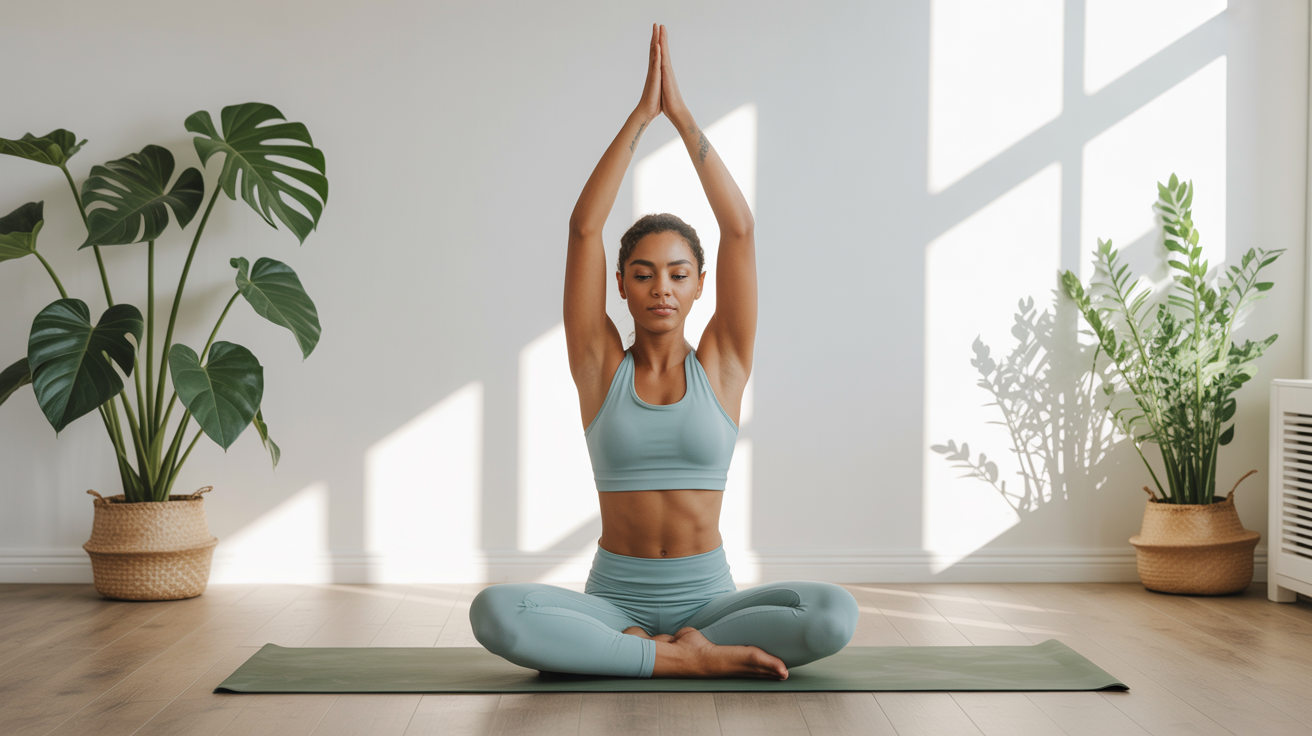
You don't need an hour, a fancy mat, or the ability to touch your toes to start a morning yoga habit. You need ten minutes and a patch of floor. This routine is built for someone who has never done yoga and may feel about as flexible as a plank of wood first thing in the day.
Below is a short morning yoga routine you can do in your pajamas, before coffee, right next to the bed. The whole thing takes roughly ten minutes if you hold each pose for a few slow breaths. Move gently, keep breathing, and back off the moment anything pinches or stings.
Why a Short Morning Routine Works
A lot of people quit yoga because they imagine it has to be long or impressive. It doesn't. A consistent ten minutes most mornings will do more for your body than a 90-minute class you dread and skip.
Morning is a smart time because your nervous system is still settling into the day. A few slow stretches tell your body it's safe to wake up without the usual jolt of scrolling your phone in bed. You'll often notice stiff hips and a tight lower back loosen within a couple of poses.
The goal here isn't to perform. It's to feel a little more awake and a little less creaky than when you rolled out of bed. That's the entire point of this wake up yoga sequence.
A quick safety note before you start: if you're pregnant, recovering from an injury, or managing a health condition, check with your doctor before adding a new movement routine. This article is educational, not medical advice.
What You Need (Almost Nothing)
- A yoga mat or a rug, towel, or carpet that won't slide
- Loose or stretchy clothing (pajamas are fine)
- A wall nearby if you want something to balance against
- Bare feet so you don't slip
Skip socks. You want your feet to grip the floor in the standing poses. If your hands or wrists feel tender on the floor, you can make a fist or come onto your forearms instead of pressing through flat palms.
The 10-Minute Morning Yoga Flow
Here's the full sequence at a glance, then we'll walk through each pose. Hold each one for the breaths listed, moving slowly between them. Breathe through your nose if you can, in and out, without holding your breath.
| Pose | Hold | What it wakes up |
|---|---|---|
| Seated breathing | 5 breaths | Calms and centers |
| Cat-cow | 6 rounds | Spine and lower back |
| Child's pose | 5 breaths | Hips and back |
| Downward dog | 5 breaths | Hamstrings and shoulders |
| Low lunge (each side) | 4 breaths | Hip flexors |
| Forward fold | 5 breaths | Backs of the legs |
| Mountain pose | 4 breaths | Posture and balance |
| Standing side stretch | 3 breaths each side | Ribs and side body |
1. Seated Breathing (about 1 minute)
Sit cross-legged or on your heels. Rest your hands on your knees. Close your eyes if it feels comfortable and take five slow breaths, letting your belly expand on the inhale and soften on the exhale. This isn't filler. It sets the pace for everything that follows and stops you from rushing.
2. Cat-Cow (about 1 minute)
Come onto your hands and knees, wrists under shoulders, knees under hips. As you inhale, drop your belly and lift your chest and tailbone (that's cow). As you exhale, round your spine toward the ceiling and tuck your chin (that's cat). Move with your breath, one shape per breath, for about six rounds. This is the single best thing you can do for a stiff lower back in the morning.
3. Child's Pose (about 1 minute)
From hands and knees, bring your big toes together, widen your knees, and sink your hips back toward your heels. Walk your hands forward and rest your forehead on the mat. If your hips don't reach your heels, that's completely normal. Slide a pillow under your seat or your forehead. Stay for five slow breaths and feel your back open.
4. Downward Dog (about 1.5 minutes)
From hands and knees, tuck your toes and lift your hips up and back into an upside-down V. Keep your knees as bent as you need to. A common beginner mistake is forcing the heels to the floor, which strains tight hamstrings for no reason. Let your heels float. Press the floor away with your hands and let your head hang. Five breaths.
5. Low Lunge (about 2 minutes total)
From downward dog, step your right foot forward between your hands. Lower your back knee to the mat and let your hips sink gently forward. You should feel a stretch across the front of your back hip, not in the knee. Hold four breaths, then switch sides. If the floor is hard on your knee, fold the edge of your mat or slip a towel underneath.
This pose targets the hip flexors, which get short and tight from sitting all day. Morning is a good time to lengthen them before you sit back down at a desk.
6. Standing Forward Fold (about 1 minute)
Step both feet forward to the top of the mat and stand. Soften your knees and fold forward from the hips, letting your head and arms dangle. Do not try to reach the floor or lock your legs straight. Bent knees are not cheating. Let gravity do the stretching for five breaths, then roll up slowly, one vertebra at a time.
7. Mountain Pose and Side Stretch (about 1.5 minutes)
Stand tall with your feet hip-width apart, arms by your sides. Take four breaths just standing here, noticing how your weight settles evenly into both feet. Then reach both arms overhead, clasp your hands, and lean gently to the right for three breaths, feeling your left ribs open. Come back to center and lean left. This closes the routine by waking up the side body, which rarely gets stretched.
How to Fit It Into Your Day
Ten minutes is short enough that the main barrier is just starting. A few things that help:
- Set your mat out the night before. Tripping over it is a useful reminder.
- Pair it with something you already do, like right after you turn off your alarm or before your shower.
- Don't aim for daily at first. Three mornings a week is a realistic start and builds the habit without pressure.
If you skip a day, skip it. The habit survives missed days. It does not survive guilt spirals that make you quit entirely.
Once this flow feels easy and you want a bit more, the natural next step is to learn a proper sun salutation. Start with the step-by-step guide to Surya Namaskar A, which links several of these poses into one flowing sequence. From there you can try Surya Namaskar B when you're ready for more.
The thing that makes any of this feel like yoga rather than just stretching is the breath. If you find yourself holding your breath or rushing, spend a few minutes with how to link breath to movement. It changes how the whole routine feels.
A Few Common Beginner Mistakes
- Forcing a stretch. Yoga is not a competition with the floor. A gentle pull is good. Sharp, pinching, or shooting pain means come out of the pose immediately.
- Holding your breath. When a pose gets hard, people clench and stop breathing. Keep the breath moving, slow and steady.
- Comparing yourself to photos. The bendy person on the cover of a yoga magazine has practiced for years. Your range of motion will improve on its own with regular, gentle practice.
- Skipping the easy poses. Child's pose and seated breathing are not warmups to rush through. They're where a lot of the calming benefit lives.
FAQ
Is 10 minutes of yoga actually enough to make a difference?
Yes, especially when you do it regularly. A short morning yoga routine done four or five times a week beats a long session done once. The benefit comes from consistency, not duration. Ten minutes is enough to loosen a stiff spine, wake up tight hips, and shift your mood for the morning.
I have zero flexibility. Can I still do this?
Absolutely. This morning yoga flow for beginners is built for exactly that. Bend your knees, use pillows, and never force a position. Flexibility is a result of practicing, not a requirement to begin. Most people notice small improvements within a couple of weeks.
Should I do this before or after coffee or breakfast?
Most people prefer to flow before eating, since downward dog and forward folds can feel uncomfortable on a full stomach. A glass of water beforehand is fine. Coffee can wait the ten minutes, though a few sips first won't hurt anything.
What if a pose hurts?
There's a clear line between a stretch and pain. A stretch feels like a gentle pull and eases as you breathe. Pain is sharp, pinching, or sudden. If you feel pain, come out of the pose slowly and either skip it or try a gentler version. Knees and lower backs are the usual trouble spots, so go easy there.
How soon will I notice results from this wake up yoga routine?
Most beginners feel more awake and a little looser on the very first morning. Real changes in flexibility and a calmer start to the day tend to show up after two to three weeks of regular practice. Be patient with your body and let the progress come gradually.